Trip Inspiration
Kentucky’s: A Rich Tapestry of Culture, History, and Innovation
Kentucky holds a unique and enduring place in the story of the United States. Known as the "Bluegrass State," its contributions stretch far beyond horse racing and bourbon. From its pivotal role in early American history to its vibrant culture, natural resources, and scientific innovation, Kentucky has helped shape the nation in ways both visible and profound. This article explores Kentucky's significance to the U.S. through its history, economy, culture, natural beauty, and contributions to national identity.
A Gateway to the American Frontier
Kentucky was the first state west of the Appalachian Mountains to be admitted into the Union, in 1792. As such, it served as a gateway to westward expansion and was a key part of the early American frontier. Settlers like Daniel Boone helped carve paths through the Cumberland Gap, enabling thousands of pioneers to move west. This made Kentucky a symbol of opportunity and exploration, embodying the American ideal of Manifest Destiny.
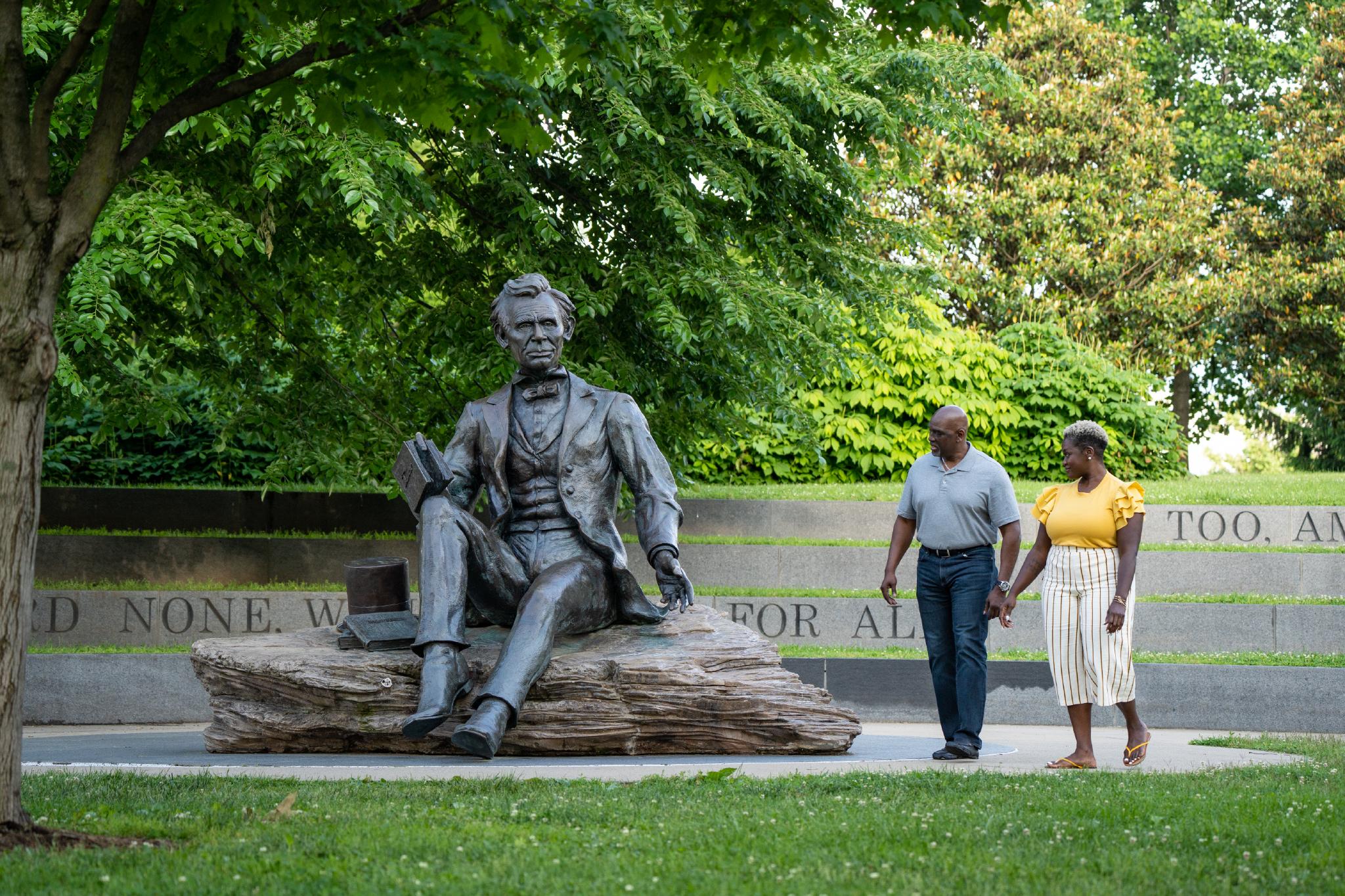
The state’s central location also made it strategically important during the Civil War. As a border state, Kentucky was officially neutral but deeply divided, sending troops to both the Union and Confederate armies. President Abraham Lincoln, himself born in Kentucky, famously remarked, “I hope to have God on my side, but I must have Kentucky.” Its geographical and political position proved critical in shaping the course of the war and preserving the Union.
Economic Contributions: Agriculture, Industry, and Energy
Kentucky’s economy has long been rooted in agriculture, especially tobacco, corn, and livestock. Its fertile soil and moderate climate made it ideal for farming, and Kentucky quickly became one of the nation’s agricultural powerhouses. Today, it remains a major producer of livestock, poultry, and soybeans.
Perhaps more famously, Kentucky is the birthplace of bourbon whiskey, which is deeply tied to American heritage. Over 95% of the world’s bourbon is distilled in Kentucky, generating billions in revenue and drawing tourists from around the world. The industry is a symbol of American craftsmanship and tradition, supported by local agriculture and generations of expertise.
Beyond agriculture, Kentucky has been vital in manufacturing and coal mining. Its central location makes it a logistics hub, with major companies like UPS maintaining large facilities in the state. Automotive manufacturing is another key sector—Kentucky is home to large Toyota and Ford plants. Additionally, Eastern Kentucky’s coalfields were once central to powering American industry. While coal’s dominance has waned, its legacy remains part of the state’s identity and economic history.
-min.jpg?sfvrsn=ce0cf209_4)
Cultural Richness and Artistic Legacy
Kentucky has made outsized contributions to American culture. The Kentucky Derby, held annually in Louisville, is the most famous horse race in the United States and a hallmark of American sports tradition. The state’s long relationship with horse breeding and racing has made it an international center of equine excellence.
In music, Kentucky has been a cradle of American roots genres like bluegrass, country, and folk. Artists such as Bill Monroe (the "Father of Bluegrass") and Loretta Lynn helped define the sound and soul of American music. The influence of Appalachian music continues to resonate in modern genres, from country to rock and even pop.
Kentucky also has a rich tradition in visual arts, literature, and crafts. Writers like Wendell Berry and Bobbie Ann Mason have captured the spirit of rural American life, while countless artisans contribute to the state’s long-standing traditions of quilt-making, pottery, and woodcraft.
Natural Beauty and Environmental Significance
Kentucky’s landscape is one of striking diversity. From the rolling bluegrass hills of the north to the rugged mountains of the east and the vast lakes of the west, the state is home to a wealth of natural beauty. The Mammoth Cave National Park, the longest known cave system in the world, is a geological marvel and UNESCO World Heritage site. It draws visitors from around the globe and is a testament to the state’s unique environmental offerings.
The state’s extensive river systems, including the Ohio and Mississippi Rivers, have historically served as crucial transportation routes. Kentucky’s parks, forests, and wildlife refuges also contribute to national biodiversity and conservation efforts.
Scientific and Educational Impact
Kentucky has been home to significant scientific minds and institutions. It is the birthplace of pioneering figures such as Thomas Hunt Morgan, a Nobel Prize-winning geneticist who laid the foundation for modern biology. The University of Kentucky and University of Louisville are important centers for research and education, contributing to fields as diverse as medicine, agriculture, and engineering.
In recent years, Kentucky has become a leader in renewable energy research and healthcare innovation, playing a part in solving some of the nation’s most pressing challenges.
Kentucky’s importance to the United States cannot be overstated. It has been a land of innovation, conflict, creativity, and resilience. Whether through its role in shaping American history, fueling the economy, enriching the nation’s culture, or preserving its natural beauty, Kentucky is a cornerstone of the American experience. Its story is woven into the fabric of the nation—a reminder that even states not often in the spotlight can have profound and lasting impact on the identity and progress of the United States.